A. Tick the correct answer
1. Which country has the longest written constitution in the world?
✅ India
2. When did the Constitution of India come into effect?
✅ January 26, 1950
3. Which term means that people have the right to choose their own government?
✅ Democratic
4. How many Fundamental Rights have been provided by the Constitution of India?
✅ Six
—
B. Match the columns
Column A Column B Correct Match
1. Equality —– (d) No discrimination
2. Citizens must follow —– (b) Ideals of Constitution
3. Slavery —— (a) Offence in our country
4. Citizens must respect —– (c) National Flag and National Anthem
—
C. Answer the following questions
1. What do you mean by Constitution?
Answer: A Constitution is a set of rules and principles according to which a country is governed.
2. List the six Fundamental Rights guaranteed by the Indian Government to its citizens.
Answer: The six fundamental rights are : (i) Right to Equality
(ii) Right to Freedom
(iii) Right against Exploitation
(iv) Right to Freedom of Religion
(v) Cultural and Educational Rights
(vi) Right to Constitutional Remedies
3. Mention any four Fundamental Duties to be performed by every citizen of our country.
Answer: (a) To respect the National Flag and the National Anthem
(b) To protect public property
(c) To defend the country
(d) To promote harmony and the spirit of common brotherhood
4. Who framed the Constitution of India?
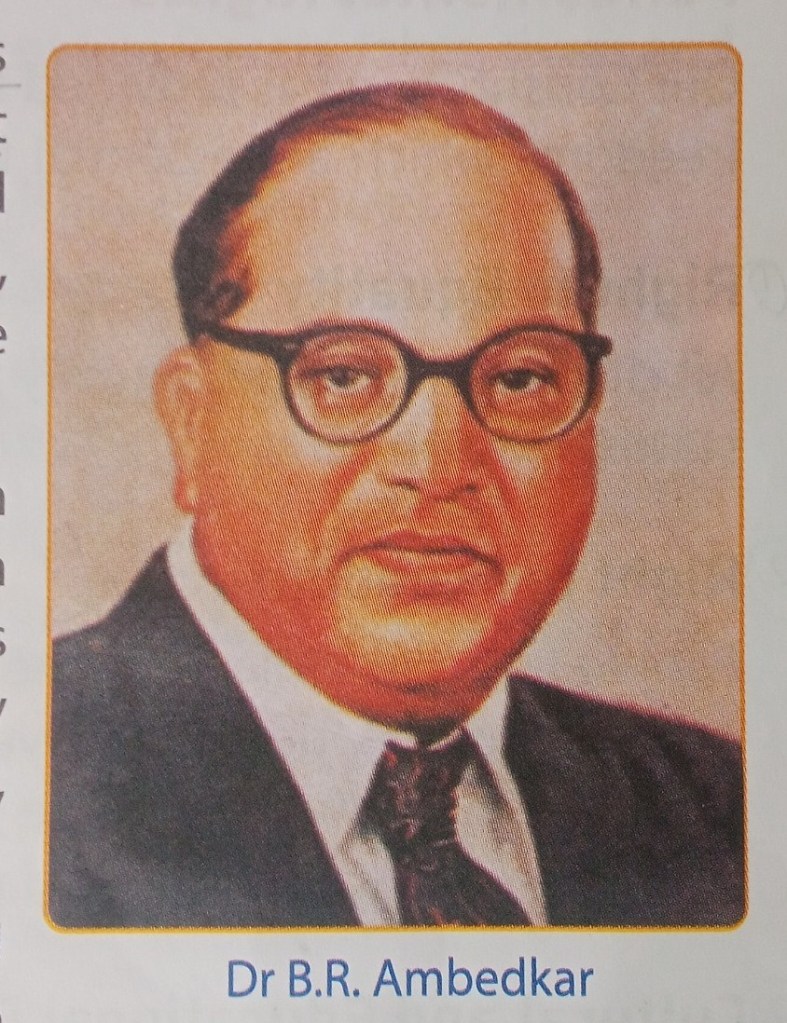
Answer: The Constituent Assembly of India, under the chairmanship of Dr. B. R. Ambedkar, framed the Constitution.
—
D. Write short notes on the following
1. Right to Equality
→ It ensures that all citizens are equal before the law and prohibits discrimination based on religion, race, caste, sex, or place of birth.
2. Right to Freedom
→ It gives citizens the freedom of speech and expression, movement, profession, and the right to live anywhere in India.
3. Right to Freedom of Religion
→ It allows every person to follow, practise, and propagate any religion of their choice.
4. Cultural and Educational Rights
→ These rights protect the interests of minorities and ensure that they can preserve their language, culture, and establish educational institutions.
******************
 Site 𝓝𝓲𝓻𝓾'𝓼𝓫𝓵𝓸𝓰