A. Choose the correct answer.
1. Which one of the following refers to the various ways of communicating information, etc. to the people?
Answer: (b) Media
2. Which one of the following mediums is an example of electronic media?
Answer: (c) Television
3. The form of media that reaches millions of people across the country and the world is called
Answer: (b) Mass Media
4. Which of the following is/are the important role(s) of media in democracy?
Answer: (d) All of these
5. Which one of the following media units is owned by the government?
Answer: (a) The Publication Division
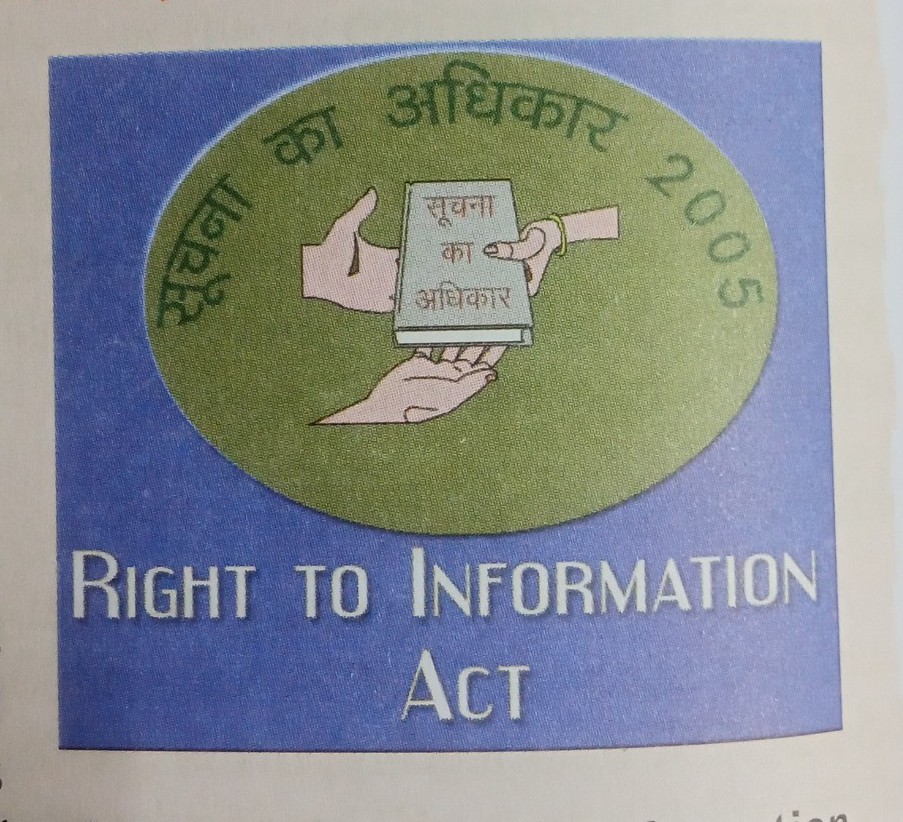
6. The Central Government passed the Right to Information Act in
Answer: (c) 2005
B. Give two examples for each of the following.
1.Personal Media
(a) Telephone
(b) Letter
2. Mass Media
(a) Television
(b) Radio
3. Print Media
(a) Newspaper
(b) Magazine
4. Electronic Media
(a) Television
(b) Internet
C. State True or False
1. Technology that media uses keeps changing.
Answer: True
2. Media does not influence our opinions.
Answer: False
3. Media earns money through advertisements.
Answer: True
4. Newspapers are an example of electronic media.
Answer: False
5. It is important for media to present a balanced report.
Answer: True
II. Short Answer Type Questions
1. Discuss the role of technology in media.
Answer: Technology helps media to spread information quickly and widely through television, internet, mobile phones and social media. It makes communication faster and easier.
2. “The mass media unit requires a huge amount of money to do its work.” Justify the statement with the help of examples.
Answer: Mass media needs a lot of money for printing newspapers, running TV channels, buying machines, paying workers and broadcasting programmes. For example, television channels and newspaper companies spend large amounts on technology and advertisements.
3. Analyse the role of the media in providing information to the people.
Answer: Media informs people about national and international events, government policies, disasters, sports and entertainment. It helps people stay aware and make informed decisions.
3. The government initiatives to reduce inequality in our daily life work very slowly. Give reasons why.
Answer
Government initiatives work slowly because:
(i) Social discrimination and old traditions still exist.
(ii) Poverty and illiteracy continue in many areas.
People’s attitudes do not change quickly.
4. Why do you think that inequality is a world phenomenon? Explain.
Answer:
Inequality is a world phenomenon because in many countries people face differences based on wealth, race, caste, gender, religion, and education. Rich and poor people do not get equal opportunities everywhere.
III. Long Answer Type Questions
1. What are the important roles of the media in democracy? Discuss.
Answer: Media plays an important role in democracy by providing information, creating public awareness, discussing social issues and helping people express their opinions. It also keeps a check on the government and informs citizens about their rights and duties.
2. Explain how you think the media creates public opinion.
Answer: Media creates public opinion by showing news, discussions, interviews and reports on important issues. People form opinions after watching, reading or listening to these reports and discussions.
3. Discuss the positive and negative effects of the agenda set by the media.
Answer:
Positive effects: Media spreads awareness, educates people and highlights important issues.
Negative effects: Sometimes media may show biased news, spread rumours or focus only on sensational topics for profit.
4. Why do you think the media is the fourth pillar of democracy? Explain.
Answer: Media is called the fourth pillar of democracy because it informs people, protects freedom of speech and keeps a check on the government. It helps citizens know the truth and participate in democracy.
5. “In reality, the media is far from independent”. Give reasons in support of your answer.
Answer: Many media houses are controlled by big business groups and depend on advertisements for money. Sometimes political pressure and business interests influence the news, so media may not always remain fully independent.
 Site 𝓝𝓲𝓻𝓾'𝓼𝓫𝓵𝓸𝓰